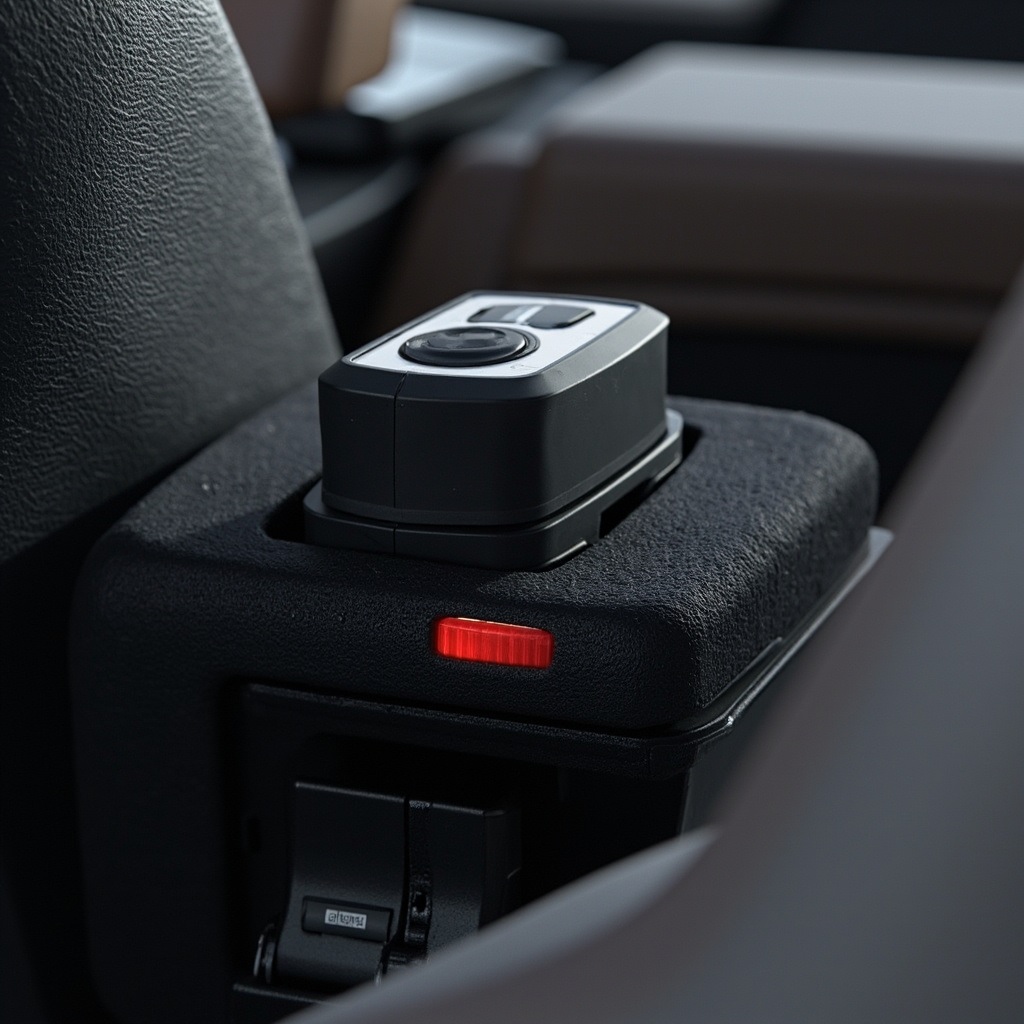
Think of an automotive micro switch as the silent, stubborn gatekeeper inside your car. It doesn’t care about horsepower or infotainment screens. It cares about one thing: a precise, physical click that tells the system, “Yes, this has happened.” And in a modern vehicle, that click happens hundreds of times per trip, often without a single passenger knowing it exists.
Let’s start with the obvious: seat adjustment. You press a button, the seat glides forward. Simple, right? Wrong. That button is a command, but the micro switch is the confirmation. It ensures the motor stops at the exact end of the rail, not a millimeter past. Without it, your seat would grind against the stops or, worse, keep trying to move after it’s already hit the limit. Unionwell’s switches in this application are designed to handle thousands of cycles, because nobody wants a stuck seat in a two-hour traffic jam.
But the real unsung hero is in the door latch. When you close a car door, you expect a solid thud. That thud is partly mechanical, but the signal that tells the dome light to turn off? That’s a micro switch. It’s a tiny, durable component that lives in the latch mechanism, constantly exposed to vibration, temperature swings, and moisture. If it fails, your interior lights stay on, draining the battery. Or worse, the car thinks the door is open while you’re driving. Unionwell builds these with sealed contacts precisely to avoid that nightmare scenario.
Now, let’s jump to the charging gun. Electric vehicles have changed the game. When you plug in a charging cable, you need absolute certainty that the connection is locked and safe. A micro switch inside the handle detects the latch engagement. If it’s not fully seated, the switch won’t close, and the charger refuses to send power. This is a safety-critical function. You don’t want 350 amps flowing through a half-connected plug. The switch here needs to be robust enough to handle repeated insertion cycles, weather exposure, and the occasional yank from a distracted driver. Unionwell’s switches in charging guns are rated for high mechanical endurance because a broken switch means a broken charge session.
Don’t forget the steering column. Tilt and telescopic adjustments rely on micro switches to detect the end of travel. Same logic as the seat, but with higher stakes. A steering column that moves unexpectedly while driving is not a fun surprise. The switch provides the hard stop signal, and it must be reliable every single time.
Even the humble glove box uses them. Open it, and a micro switch triggers the damper mechanism so it doesn’t drop open like a trapdoor. Close it, and another switch tells the system the interior light should turn off. It’s a small luxury, but one you notice immediately when it breaks.
The trend in automotive design is moving toward more sensors and fewer mechanical linkages. But micro switches aren’t going away. They offer a simple, cost-effective, and extremely reliable way to detect a physical state. A Hall effect sensor can drift. A capacitive sensor can be fooled by moisture. A micro switch either makes contact or it doesn’t. There’s no ambiguity.
For engineers, the choice comes down to actuation force, travel distance, and environmental sealing. Unionwell offers variants with different force profiles, from a light touch for a steering wheel paddle to a firm click for a heavy door latch. The housing materials are chosen for UV resistance and temperature tolerance, because a switch in a door panel in Arizona sees different conditions than one in a charging handle in Norway.
So next time you adjust your seat, close your door, or plug in your EV, remember that tiny click. It’s not just a sound. It’s a signal that the system knows exactly what you just did. And that’s the kind of certainty that keeps a car from becoming a very expensive paperweight.